


Field Service Projects (FSPs) at NUS Business School allow senior-year undergraduates to be immersed in real-world problem-solving. In partnership with established organisations, social enterprises, and non-profits, student teams deliver structured consulting projects that span market validation, financial modelling, digital transformation, and risk analysis. The result is a win–win: students translate four years of business learning into practical impact while their “clients” receive fresh perspectives and actionable, data-driven recommendations.
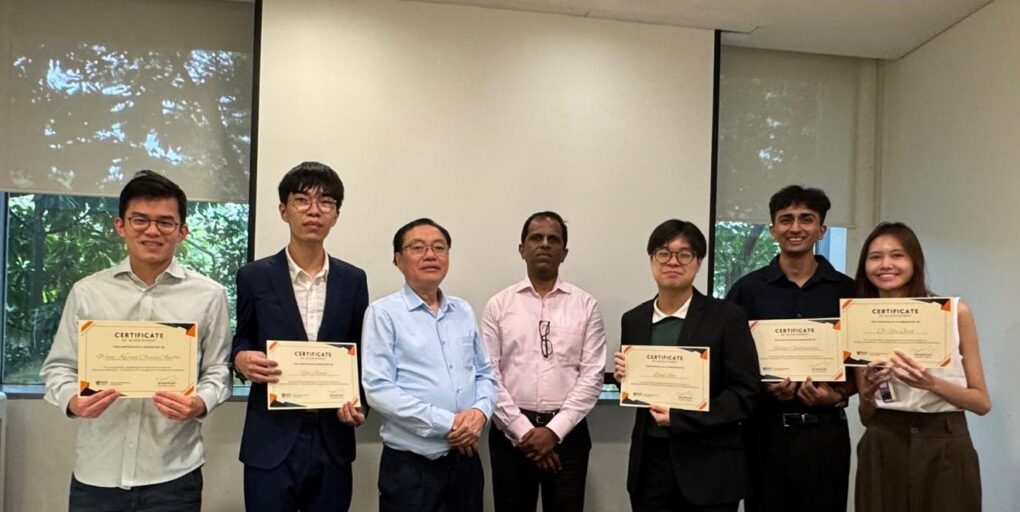
Recent projects highlight both impact and range. In 2025, a student team partnered with the NUS Centre for Governance and Sustainability (CGS) and the NUS Office of Risk Management and Compliance (ORMC) to strengthen organisational, technological, digital, financial, and people resilience. The team translated best-practice frameworks into pragmatic playbooks and metrics, helping stakeholders benchmark readiness and prioritise capability building. You can read more about their project here.
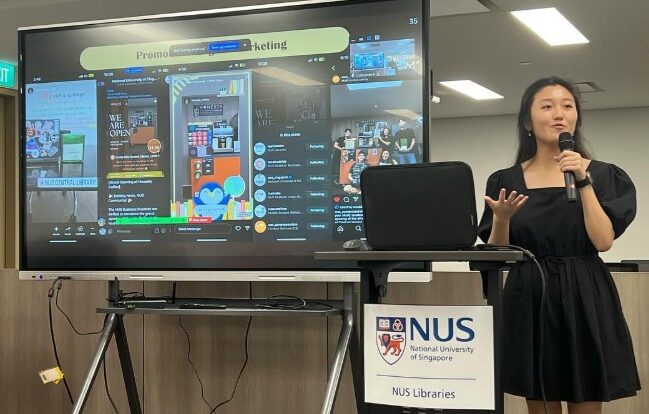
Additionally, in 2024, another team took their work a step further by proposing and testing a complete business concept for their client. They successfully brought their client’s concept from hypothesis to reality with Honesty Coffee, an unmanned coffee booth operating on an honour-based payment system. The FSP acted as a real-world laboratory, allowing the five students to translate classroom knowledge into practice while tackling the challenges of testing out an actual business idea. By applying operations concepts like service blueprint mapping, they enhanced customer experience and confirmed the feasibility of the business model in practice.
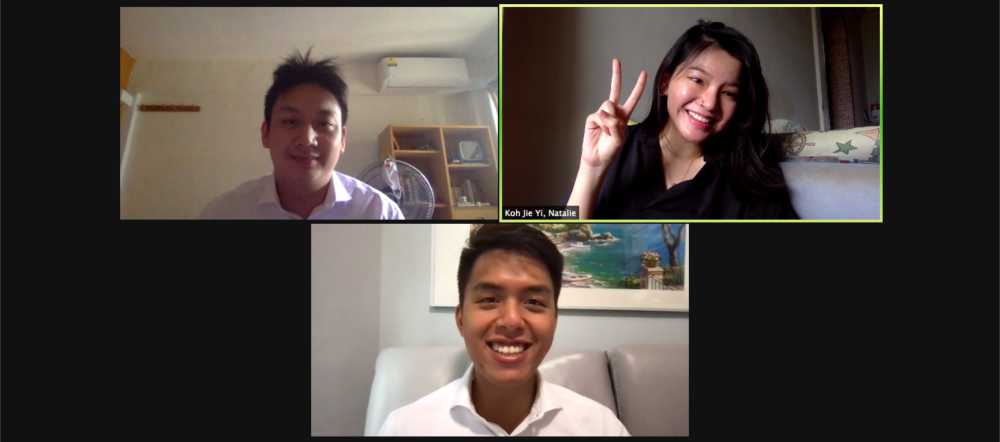
Even during tough times like the COVID-19 pandemic, our students demonstrated resilience and adaptability as they transitioned to working remotely. With valuable mentorship from their faculty advisor, one of the FSP teams delivered a rigorous e-commerce analysis for Unilever’s French and Vietnamese markets. The team impressed Unilever with their recommendations, including a multi-pronged strategy that was both creative and fresh for the toothbrush industry, yet closely aligned with existing technology and interfaces. Their methods, carefully distilled from months of research, have proven effective for low-involvement products and provided actionable insights that informed Unilever’s tactical decisions amid unprecedented supply and demand volatility.
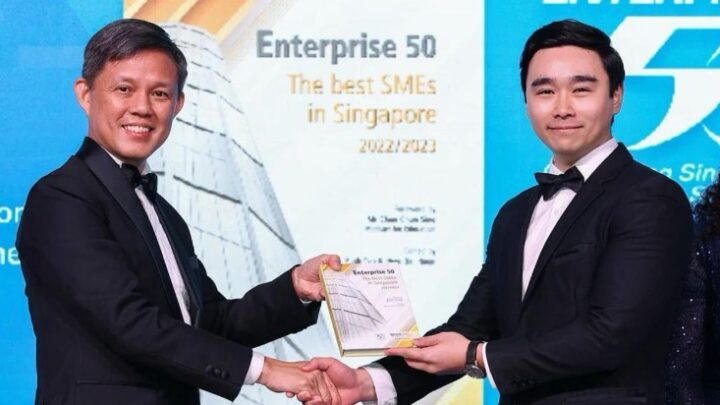
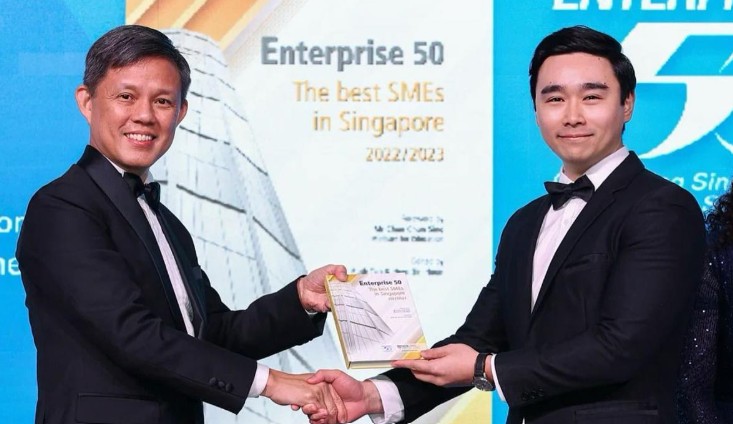
The hands-on ethos of FSP builds on a long-standing tradition. In 2009, NUS Business School partnered the organisers of the Enterprise 50 (E50) Awards, The Business Times and KPMG, enabling teams of BBA (Honours) students to study each of the 2008 E50-winning companies. Students examined business models, value propositions, operations, entrepreneurial drive, and leadership philosophy. They produced both public profile articles and confidential consulting reports, formally presenting their findings to CEOs and senior management. The articles written by students were compiled and published, with proceeds directed to the E50–NUS Business School Undergraduate Bursary for financially needy undergraduates. The E50 partnership continues to this day, sustaining a legacy of experiential learning that bridges the classroom and the real-world business arena.
If you are an enterprising alumnus with industry connections and would like to collaborate with our students and faculty, please reach us at biz-ug-explearn@nus.edu.sg. Learn more about FSP and our student projects here.
To find out more about the NUS Bachelor of Business Administration (BBA) programme, please visit https://bba.nus.edu.sg or email us at biz-ug-adm-enq@nus.edu.sg.