



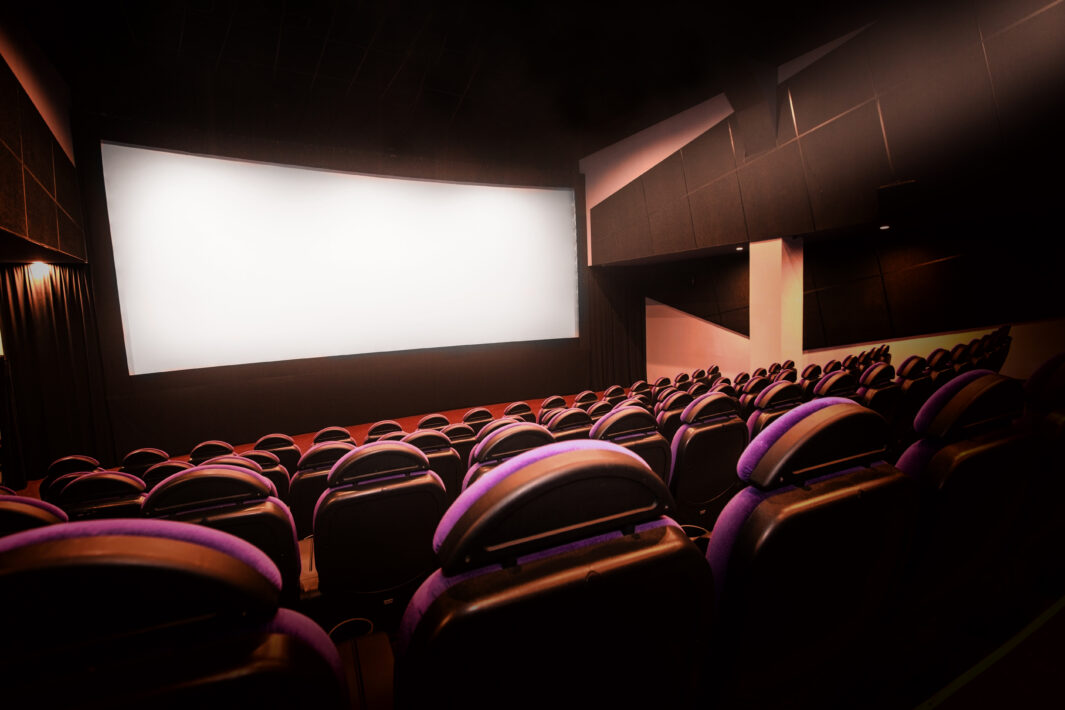

On a quiet Thursday in March, Cathay Cineplex at Jem screened its final film. There were no closing credits to mark the moment, no farewell montage.
But Cathay’s ending didn’t fade quietly into the night. Four months later, Jem’s landlord, Lendlease, filed a claim for $3.4 million in unpaid rent, catapulting its quiet closure into the public spotlight. A statutory demand followed.
What began as a private lease dispute morphed into a public reckoning – a referendum on the future of the big screen in an age dominated by palm-size smartphones.
A long slide
Rewind to 2017: Singapore cinemas sold 20.4 million tickets. Crowds queued for blockbusters, and the weekend movie remained a time for family bonding. By 2019, admissions slipped to 18.4 million, the first clue that audience habits were changing even before Covid-19’s arrival.
Fast-forward to 2024 and the change is unmistakable. Only 8.4 million tickets were sold, generating about $88.2 million in revenue. More than 60 per cent of the audience had drifted away in five years, signalling that Cathay’s exit at Jem was less an anomaly and more of the visible tip of a submerged shift.
Singapore’s numbers might read like a case study, yet the pattern is everywhere. In the US, box-office revenue topped out at US$11.9 billion in 2018, only to sink to US$8.5 billion (S$10.9 billion) in 2024. There is no positive future to look forward to yet. PwC’s latest Global Entertainment and Media Outlook suggests a return to pre-pandemic levels for box offices could remain elusive well past 2026.
Why the audience drifted away
While box-office sales slope down, streaming is climbing fast. The video-streaming market in South-east Asia reached US$3.9 billion in 2024. Market research firm Imarc Group projects this figure to touch US$10 billion by 2033, expanding at a compound annual growth rate of nearly 11 per cent.
Where audiences once organised weekends around showtimes, algorithms now organise entire evenings around individual taste, rewarding every whim with a large catalogue of options.
It’s tempting to blame Netflix or Disney Plus for cinema’s decline but this overlooks the larger shift: a change in how people, especially the young, handle time, focus and emotion. The issue is less a clash of platforms than a deep rewiring of consumption habits and cultural rhythms.
Today’s young audiences were raised on screens. Not the big ones, but the glowing rectangles in their hands. The smartphone has become the new gathering place, supplanting the hush of the cinema hall. Engagement comes in bursts through half-minute dance clips, twelve-second rants, five-second memes. Each swipe offers novelty, tuned by algorithms to personal taste. Each clip promises amusement, distraction, validation or escape.
Neuroscience explains the pull: every swipe releases a small dopamine hit. Over time, the brain craves faster gratification, and grows impatient with slowness or ambiguity. We’ve trained ourselves to scan, react, and scroll, not to sit still and immerse.
Cinema asks for the opposite. A film unfolds in real time. It demands patience and attention. Once magical, the movie experience now feels cumbersome.
The change is cultural as well as cognitive. Hustle culture prizes constant output, and treats stillness as wasteful idleness. In such a climate, a slow-burn narrative struggles to find an audience: Why devote two hours to one story when you can scroll past hundreds in half that time?
This erosion in narrative stamina has a cost and fuels a flattening of story-telling that sacrifices depth for buzz. Cinema resists that flattening, yet that very resistance makes it feel out of step with the moment.
The loss of a consumption magnet
A cinema closure has ripple effects on our retail landscape. For decades, theatres acted as nocturnal anchors for shopping centres. Shoppers grabbed dinner before the 7.30pm show and dessert after the credits.
Cinemas extend dwell time, boost late-night activity, and create spillover benefits for F&B and retail. Remove them, and you pull a magnet from a vibrant ecosystem. Restaurants lose late-night cover rotations, retailers lose impulse footfall, ride-hail drivers lose a post-show surge.
Cinema was one of the few remaining venues where strangers gathered for a shared emotional journey. Live sport and religious services still fulfil that role, yet film offered its own democratic passport: affordable, accessible, and cross-generational.
Reimagining the cinema
If cinema is to stay relevant in Singapore, it must be redefined and reimagined. The first step requires positioning cinemas as spaces for undistracted attention and focus, or community engagement opportunities.
Operators can partner with schools, universities and companies to introduce “deep focus screenings” or “digital detox nights”. These sessions could be promoted as a form of mental wellness, encouraging people to disconnect from devices and engage with a single story in a phone-free environment.
Some operators have tried this, though critics say the idea is too niche to be sustainable. But with so many people feeling burned out by constant scrolling, even small efforts like these can build loyal audiences and offer a refreshing escape from digital overload.
Second, cinema operators should work with cultural institutions and grassroots organisations to run regular community-based programmes. These can include multilingual film nights, heritage-themed screenings, or intergenerational viewing sessions.
Post-film discussions or school tie-ins can turn cinema into a space for dialogue and connection. More support can be given to operators like The Projector, Carnival Cinemas or EagleWing Cinematics to expand their local or indie film offerings.
Third, cinemas must make better use of their space throughout the day. Instead of sitting empty before evening showtimes, theatres can be repurposed as venues for media literacy programmes and small performances. With modest investment in lighting and seating flexibility, cinemas can become active cultural spaces used throughout the week.
Nitehawk Cinema in New York uses daytime slots for brunch screenings, panel discussions, and community events. The Barbican Centre in London hosts school screenings, relaxed-access sessions for neurodivergent audiences, and ScreenTalks where filmmakers engage with audiences after the film.
These examples show how cinemas can stay relevant by offering more than just evening entertainment.
Fourth, democratise immersive formats like Imax and 4DX. Singapore has a total of 267 cinema screens, but only four are Imax, and just 18 are 3D-enabled. These experiences are mostly available in upscale malls in central or high-end locations. A public-private funding scheme involving cinema operators, mall landlords and agencies like the Infocomm Media Development Authority can help retrofit older suburban cinemas with upgraded technology.
Cinemas must rethink their pitch. Instead of competing with streaming platforms on content, they should compete on experience. With effort, cinemas can once again become a vital part of urban and social life.
The centre of civic life?
At its peak, cinema delivered something irreplaceable – collective pause. The lights dimmed, phones darkened, and the outside world thinned to a hush. Viewers surrendered the illusion of control and allowed a story to unfold on its own terms. In that surrender lay empathy, patience, and the willingness to inhabit perspectives beyond one’s own.
Those qualities carry social value. Democracy depends on citizens being able to focus, listen, and extend empathy despite their differences. The erosion of sustained attention is not just a technological problem; it is a civic one.
If society quits practising the art of sitting still with a narrative, it risks losing the muscles that hold public discourse together.
Cathay’s Jem story will conclude in court filings and accounting ledgers. Yet the real verdict will appear in the daily choices of audiences. Will we continue to trade collective immersion for solo scrolling? Or will we decide the cinema still has a role in our cultural life?
The article was first published in The Straits Times.