



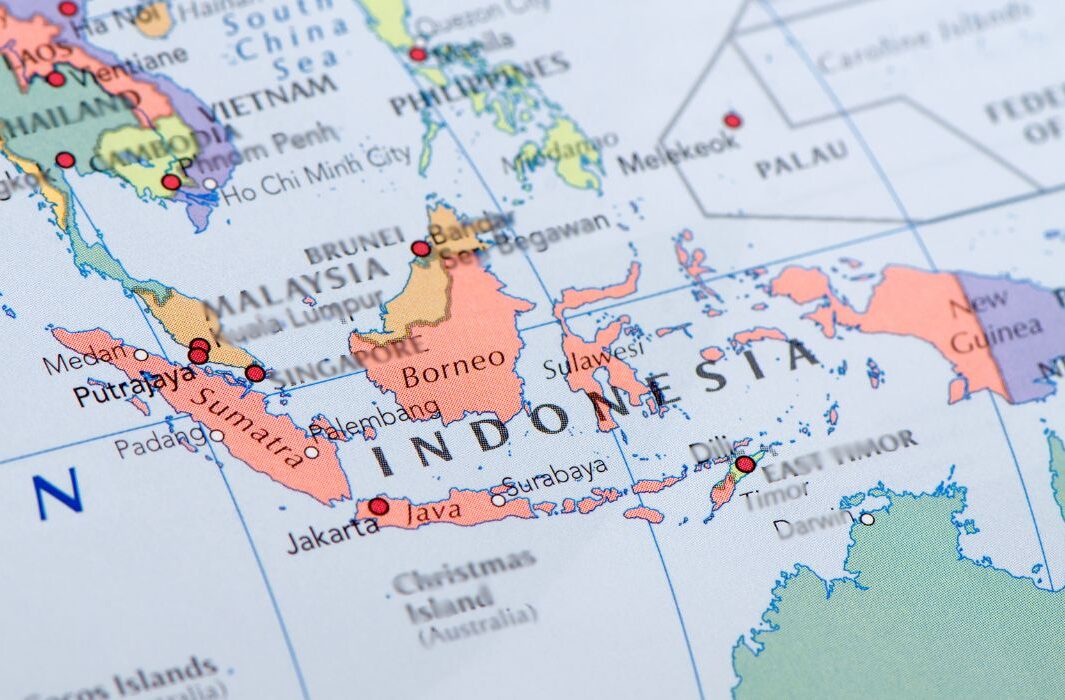

I vividly remember my first visit to Indonesia in December 1987, when I delivered seminars on finance and economics at Universitas Indonesia and Universitas Gadjah Mada. It was merely a month after the global stock market crash, yet what stayed with me was not the memories of the financial market turmoil, but the classroom encounters that have since profoundly influenced my pedagogical approach.
While the Socratic method encourages open debate, Asian classrooms, particularly in Indonesia, tend to emphasize collaboration over confrontation. Indonesian students excel in teamwork, drawing on the cultural value of gotong royong (mutual cooperation) deeply embedded in its social fabric, to harmonize diverse perspectives and work cohesively. This collective mindset not only enhances creativity and problem-solving in academic settings but also aligns closely with the demands of Indonesia’s business environment, where success relies on collaboration, consensus-building, and strong interpersonal relationships.
Those experiences taught me that education is never a one-size-fits-all endeavor. Years later, as Asia rises to prominence in the global economy, I see its youth emerge as future leaders, and the lesson I learnt remains clear: local context matters. Educational institutions must go beyond teaching theories and create frameworks that connect global knowledge with regional realities, including fostering partnerships that transcend borders.
Asia’s Transformation and Indonesia’s Untapped Potential
What began as a series of lectures in Indonesia evolved into decades of engagement across Asia, revealing a region in constant transformation. The dynamics I witnessed in classrooms mirrored the economic trajectory outside them. Asia has long been a crucible of innovation, from Japan’s manufacturing ascendancy in the 1970s to the emergence of the “Four Tigers”: Singapore, Hong Kong, Taiwan, and South Korea. Between the 1960s and 1990s, these economies sustained GDP growth rates exceeding 7% annually, significantly outpacing Western counterparts, driven in part by robust education systems.
Today, Indonesia stands at a similar inflection point. Much like the Four Tigers a generation ago, it possesses the capacity not merely to catch up with the West, but to forge its own distinctive path. By 2021, Indonesia rebounded from the pandemic with 3.2% growth, and by 2022, it accelerated to 5.31%, outpacing even Thailand and Malaysia. This resilience underscores a vital lesson for educators: economic potential thrives when paired with adaptive learning environments.
Indonesia’s scale and diversity offer fertile ground for entrepreneurial ventures. Consider Gojek, which transformed the informal ojek network into a regulated, tech-driven platform, inspiring policy changes to protect ride-hailing workers. Or Kopi Kenangan, which reimagined coffee culture and became Indonesia’s first Food & Beverage unicorn within four years and is now expanding internationally. These stories are more than business case studies—they are reminders that creativity flourishes when education equips students to see inefficiency and gaps in society as opportunities.
This entrepreneurial spirit is complemented by a growing appetite for advanced education. Indonesian youth are increasingly pursuing master’s degrees, with business and economics among the most popular fields of study. This trend reflects both the country’s expanding middle class and the recognition that global competitiveness requires higher qualifications.
Much like China a generation ago, Indonesia possesses the capacity not merely to catch up with the West, but to forge its own distinctive path forward. This perspective offers a vital lesson for aspiring leaders navigating the current complexities of dynamic and evolving economies. While potential is valuable, it needs proper guidance and supportive institutions to truly thrive—this is where education plays a crucial role.
Gojek and Kopi Kenangan underscore the need for business schools to go beyond theory. Curricula should integrate local case studies, experiential learning, and collaborative projects with industry. Faculty exchanges and executive degree programs can further bridge global insights with regional realities, ensuring that students develop both technical competence and cultural fluency.
Preparing Indonesian Leaders for a Connected World
Economic principles may be universal, but their application is deeply contextual. Knowledge cannot be unilaterally transferred; it must be adapted, co-developed, and refined through dialogue with local realities. Asia’s rise is reshaping global markets and leadership paradigms, demanding that institutions rethink how business education is conceived and delivered.
This means aligning curricula with emerging trends, fostering research that addresses regional challenges, and building partnerships with the private sector. Programs like Indonesia’s National Internship initiative exemplify how the Indonesian government and universities can collaborate to bridge graduates with real-world opportunities. Equally important is cultivating diversity within classrooms and programs like Lembaga Pengelola Dana Pendidikan (LPDP)7 fulfill this gap by providing Indonesian students an unique opportunity to be in a classroom with students from countries like Singapore, Vietnam, Malaysia, and beyond to enrich discourse and develop cross-cultural competencies.
Ultimately, the journey from that first classroom in Jakarta to where Asia stands now affirms a central conviction: the future of education lies in empowering students, creating inclusive spaces for learning and leadership. By doing so, business schools can prepare leaders not only to thrive locally but to shape the global economy on their own terms.
The story was first published in The Jakarta Post.