

Experiential learning has been a defining feature of the NUS MSc experience, bridging academic knowledge with real-world business practice. In AY2025/26, our Experiential Learning initiatives reached new milestones, providing students with more opportunities than ever to work alongside industry, tackle authentic business challenges, and build the capabilities needed for an increasingly dynamic global economy.
Solving Real Business Challenges
This academic year marked our largest experiential learning cohort to date. A total of 239 students across the MSc programmes completed 59 business and capstone projects, representing a 28% increase from the previous year. Growth was particularly strong within the MSc in Strategic Analysis and Innovation programme, reflecting increasing demand for applied, industry-based learning.
The projects also reflected the changing priorities of today’s business landscape. While business strategy and commercialisation remained key areas of focus, students increasingly tackled projects involving artificial intelligence and digital transformation, finance and capital markets, ESG governance, and the circular economy.
The impact extended well beyond project numbers. Students consistently highlighted the opportunity to apply classroom knowledge to complex business challenges while receiving guidance from both academic advisors and corporate supervisors. More than 83% of MSc in Strategic Analysis and Innovation students rated their Business Project as effective in helping them apply the knowledge and skills gained throughout their programme.
Building Stronger Industry Partnerships
One of the year’s most significant milestones was the establishment of MSIG Asia as a CEMS Corporate Partner, the only insurance company within the global CEMS corporate network. The partnership quickly demonstrated its value when an NUS CEMS student team was invited to present its Business Project findings at the MSIG Asia Business Conference in Hong Kong before senior executives from across the region. It was a powerful example of how experiential learning can provide students with meaningful exposure to senior industry leaders while strengthening NUS Business School’s global corporate partnerships.
Despite challenging market conditions, the Experiential Learning team continued to expand its industry network by onboarding 22 new corporate partners, with new organisations accounting for more than half of all partners engaged during the year. Several organisations also deepened their collaboration by expanding projects across multiple MSc programmes, reflecting growing confidence in the quality of our students and the value of these partnerships.
Learning Directly from Industry
Experiential learning extended beyond business projects through a diverse programme of Skills Seminars and Company Visits.
Throughout the year, students participated in seminars covering topics ranging from leadership and negotiation to artificial intelligence, sustainability, organisational design and data analytics. Nearly half of these sessions were delivered by industry practitioners, giving students direct exposure to current business challenges and practical workplace insights. Student participation remained consistently strong, with seminar ratings averaging between 4.5 and 4.6 out of 5, reflecting the quality and relevance of the programme.
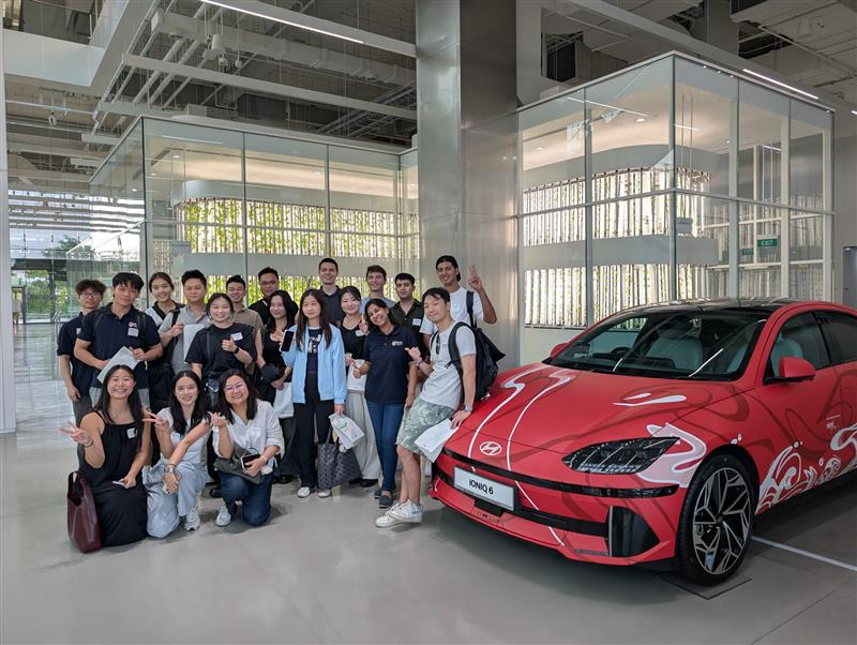
Students also visited leading organisations including Meta Singapore, Van Cleef & Arpels, and the Hyundai Motor Group Innovation Center Singapore, gaining first-hand perspectives on digital transformation, luxury retail, advanced manufacturing, sustainability and innovation. These experiences complemented classroom learning by allowing students to observe how business concepts are applied in practice while engaging directly with industry professionals.
A Growing Community of Partners and Alumni
Strong relationships with industry and alumni remain central to the success of experiential learning. During the year, the MSc Programmes Office hosted its annual Corporate Partners’ Appreciation Event, recognising organisations whose continued support has enriched students’ learning through business projects, seminars and company visits while creating new opportunities for future collaboration.
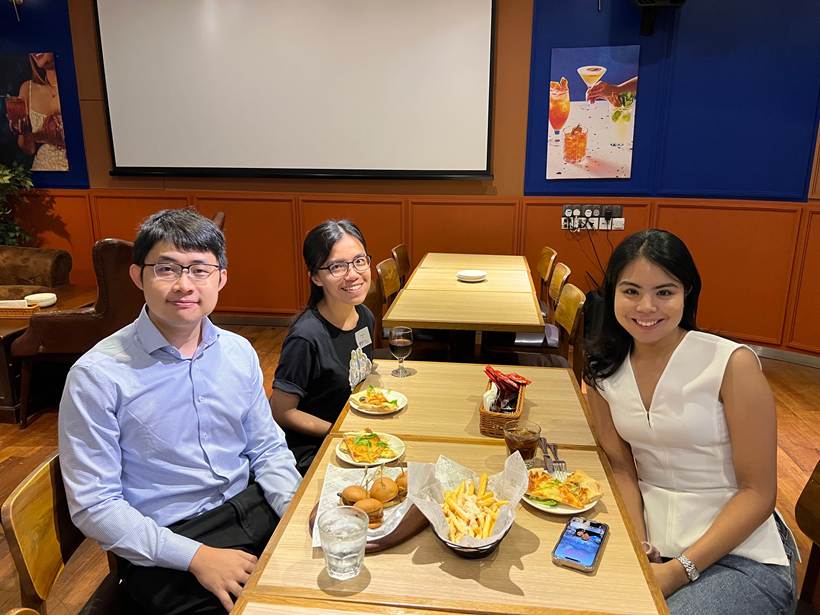
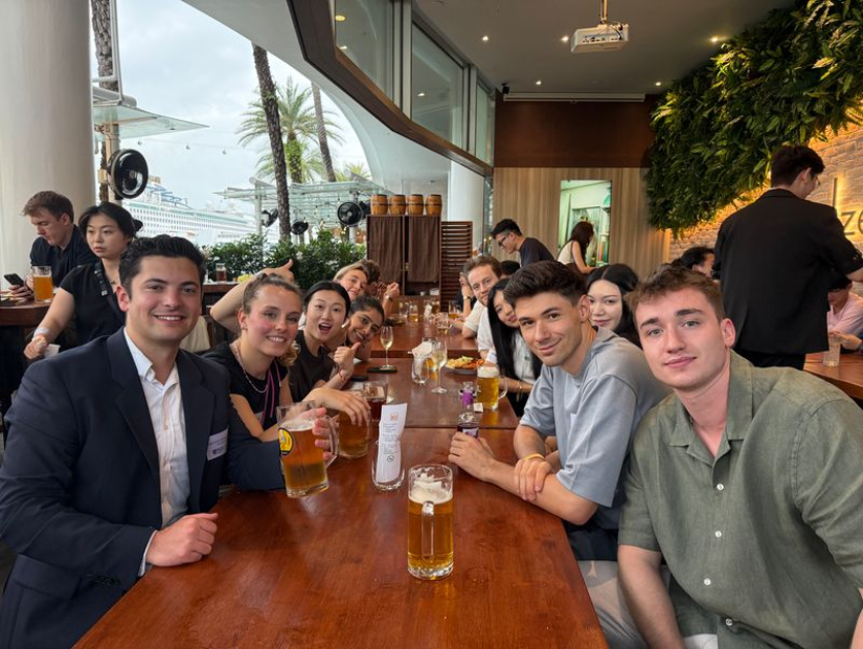
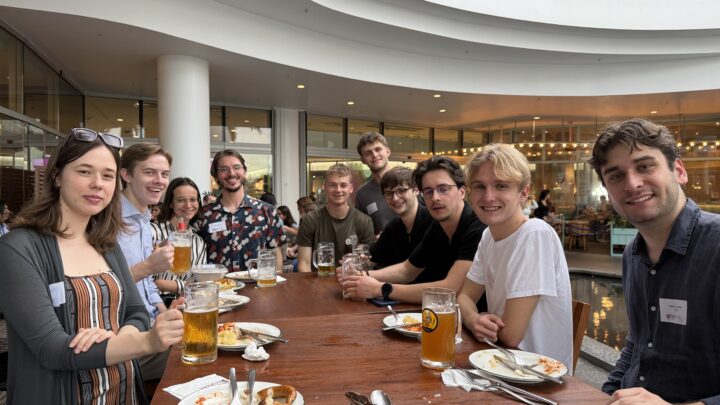
As our alumni community continues to grow, we also strengthened opportunities for graduates to reconnect with the School and support future cohorts. Initiatives such as the Orientation Networking Dinner and the flagship MSc Alumni Connect brought together alumni, current students and industry partners for mentoring, networking and knowledge sharing, reinforcing the lifelong connections that define the NUS Business School community.