


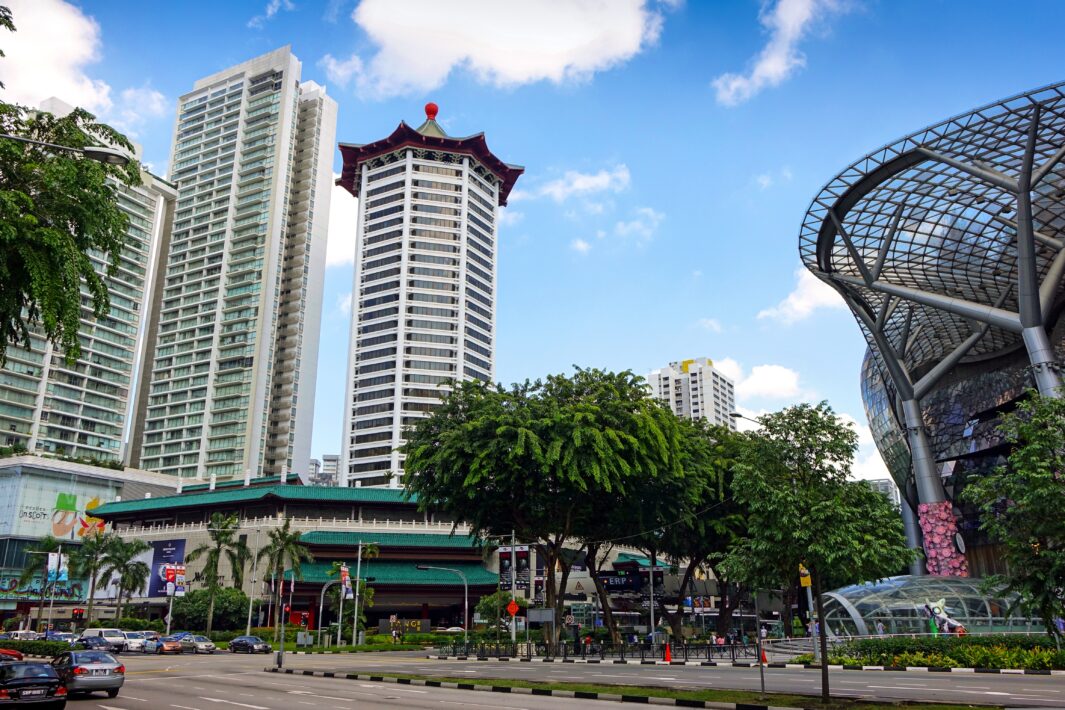

Every few months, Singapore has the same conversation about Orchard Road. A department store closes. A mall announces another refurbishment. And the question never changes: How do we make this a great shopping destination again?
That may be the wrong question. It may have always been the wrong question.
The Straits Times’ recent interactive feature documents fresh plans: pop-ups, greener walkways, curated events. Sensible ideas, all of them. But they tinker at the edges of a deeper structural shift that has quietly unmade the most vibrant street in Singapore.
Orchard Road flourished not because Singaporeans loved shopping. It flourished because, for several generations, it was simply where people went to spend time together. Shopping was the by-product. The real product was the afternoon itself.
Think back to what weekends felt like. Teenagers colonised youth-oriented shopping centres because those spaces offered somewhere to belong. Families treated browsing as leisure. Couples followed an unspoken script of movie, malls, dinner and more walking. Many went home carrying shopping bags. Many did not. Neither group considered the trip wasted. The street was Singapore’s answer to a question every great city must answer: Where do people go to simply be around other people?
This is not a pandemic story or even an e-commerce story. As early as 2016, an NUS Business School survey found that two-thirds of shoppers felt Orchard Road was losing its attractiveness, and six in 10 preferred malls nearer their homes. The street that had anchored Singapore’s rise from the moment its first department store opened in 1958 began losing its people long before it lost its tenants.
The retail ecosystem was a beneficiary of this social congregation, not its cause. Department stores prospered because thousands of people were already there, open to discovering something unplanned. The more reasons people had to linger, the more they spent, and each attraction increased the value of its neighbours.
That formula has unravelled.
What changed?
Today, the connection between hanging out and spending money has fractured. A consumer can discover a skincare brand on TikTok, buy it without leaving the app, order groceries via RedMart and have dinner arrive through GrabFood, all without stepping outside. None of this requires Orchard Road. None of it requires being anywhere at all.
Nor is the internet the only force at work. Decentralisation has brought the Orchard experience to the heartland, with the same brands, cinemas and food chains minutes from most front doors. When OG closed its Orchard Point store in 2022, it did not retreat from retail. It retreated from Orchard, relocating deliberately towards its suburban customers. Suburban malls and e-commerce share the same logic: Both remove the need to travel into town, and it is the journey, not the purchase, that Orchard Road has lost.
The numbers bear this out. Retail sales in Singapore rose 3 per cent year on year in May 2026, with online sales now at 16.2 per cent of the total. Singaporeans are not tightening their wallets. They are simply not travelling into town before they spend.
Orchard Road tells the other side of this story. Vacancy along the prime shopping belt rose to 7.1 per cent in the first half of 2026, up from 6.6 per cent six months earlier. Ordinarily, rising vacancies would push rents down. But many landlords fear that lower rents would erode the prestige of their assets, strata-titled malls cannot coordinate on pricing and luxury brands serving tourist demand keep headline rents from collapsing. Rents stay high, spaces stay vacant and the street loses the density that once made it magnetic.
The street’s economics increasingly rest on visitors rather than residents. Analysts attribute the recent recovery in Orchard rents almost entirely to luxury demand riding the tourism rebound, with some prime malls deriving over 40 per cent of rental revenue from luxury tenants. Orchard Road still works as a destination for people flying in. It has stopped working as a habit for people who live here.
This stalemate found its most telling casualty in Metro, which announced it would close its last two large-format department stores, including its outlet at Paragon, after nearly seven decades in Singapore’s retail fabric. Metro did not fail because Singaporeans stopped buying what department stores sell. What disappeared was the browsing behaviour that made the model viable. The shoppers who once wandered multiple floors discovering products they had not planned to buy now meet those products through influencer recommendations and algorithmic feeds. By the time they reach a physical store, if they reach one at all, the discovery has already happened.
A different generation
Beneath these economic shifts lies something more fundamental: a generational change in how young Singaporeans use physical spaces to construct their identities.
For Gen Z and younger millennials, where they spend time is an act of identity formation. A teenager posting an Instagram story from a vinyl-listening bar is signalling taste. A twenty-something queueing for speciality coffee is performing discernment. These choices answer a personal question: What kind of person am I, and where do I fit in?
Orchard Road struggles to offer a compelling answer. Its malls feel interchangeable. Its brand mix could belong to any major city. There is little to photograph that feels distinctive, little to discover that feels like a secret.
This is why spaces like New Bahru resonate: A creative cluster in a former school building offers texture, history and a sense of place a standard mall cannot replicate. The same dynamic explains the pull of Tiong Bahru, Kampong Glam and Keong Saik. For a generation that documents its life on social media, the aesthetic richness of a place is not a luxury. It is a requirement.
So, what does success look like now?
Jewel Changi Airport recorded more than 81 million visitors in 2025, its highest footfall since opening, while retail sales also hit a record. People do not go to Jewel because they need shoes. They go to stand before the Rain Vortex, entertain visiting relatives and eat with friends. Retail succeeds because Jewel first gives people an emotional and aesthetic reason to be there. Tokyo’s Ginza district drew the same conclusion a decade ago, layering art, performance and cultural programming into its retail core. Consumers will travel for emotional experiences they cannot get closer to home. They will not travel for products they can buy on their phones.
This points to what Orchard Road has yet to embrace. The street needs an energetic soul. The most magnetic urban streets pulse with life that has nothing to do with shopping: buskers, live music, artists at work in public view. Orchard Road’s wide pedestrian boulevard could host concerts, festivals and performance art, its public spaces less corridors between malls than destinations in themselves.
This is why measuring Orchard Road by retail sales per square foot risks diagnosing the wrong problem. Sales figures are a lagging indicator. The real metric is whether Singaporeans once again instinctively answer “Orchard” when someone asks where to meet on a Saturday afternoon. For decades, that answer came easily. Today, far fewer people give it. That silence is the data point that matters most.
The street does not need to convince people to shop. It needs to give them a reason to spend an afternoon there, to gather, to stumble upon something that makes them feel alive, to find spaces that help them tell the story of who they are. When a place hums with energy, creativity and the simple pleasure of being around other people, spending has a way of taking care of itself. That was the secret behind Orchard Road’s golden decades. It may yet be the secret behind its next chapter.